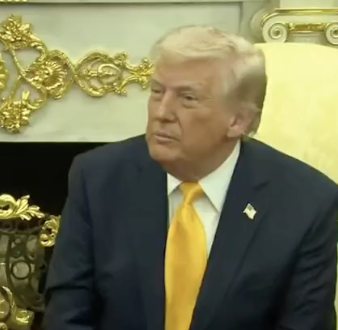
President Trump tried to deliver some long-overdue justice to Americans hammered by Biden-era witch hunts, but a Democrat-appointed judge and skittish Republican officeholders just slammed the brakes on it. The so-called Anti-Weaponization Fund—nearly $1.8 billion carved out of a settlement from Trump’s IRS lawsuit—aimed to give victims of political persecution a shot at real compensation. Now it’s frozen in place, leaving targeted patriots twisting while the system protects its own. This mess shows exactly why draining the swamp is never easy: even when you win, the entrenched powers find new ways to stall accountability.
What the Fund Was Supposed to Do
The setup came from Trump’s $10 billion lawsuit against the IRS over the illegal leak of his tax returns during the first go-round of lawfare. In the May 2026 settlement, Trump dropped the suit and other claims in exchange for an apology and the creation of this fund. It wasn’t a payout to him or his family—they got nothing financially—but a mechanism to address broader abuses. The money, drawn from the existing Judgment Fund, would go to people who suffered from weaponized investigations, prosecutions, and raids under the previous administration.
Claims were to be reviewed by a five-member commission, with payouts, apologies, and redress for everything from bogus charges to destroyed livelihoods. The fund had a hard stop for new claims in late 2028. It followed precedents like past settlements for government overreach, but the left and some nervous Republicans treated it like the end of civilization itself.
The Judge Who Hit the Pause Button
U.S. District Judge Leonie Brinkema, appointed by Bill Clinton, stepped in fast. On May 30, 2026, she issued a temporary block preventing any money transfers, claim processing, or disbursements. A hearing is set for June 12 to decide if the halt sticks. Her order keeps the status quo while lawsuits from a fired January 6 prosecutor, acquitted protesters, and others play out. Critics called the fund a slush operation lacking oversight, even though it built on standard judgment fund procedures.
The timing was no accident. Lawsuits piled up immediately after the announcement, painting the effort as corrupt favoritism. Democrats howled about Jan. 6 defendants potentially qualifying—never mind that Trump had already pardoned them for what many see as selective prosecution. The real outrage from the left was the idea that conservatives could finally get some financial relief after years of targeted harassment.
Acting Attorney General Todd Blanche confirmed Tuesday that the Trump administration is stepping back from plans to establish a controversial $1.8 billion “Anti-Weaponization Fund” after opposition from Republican lawmakers and a federal court ruling blocking the program.…
— American Greatness (@theamgreatness) June 3, 2026
Republican Hesitation and the Bigger Resistance
Several Republican lawmakers joined the pile-on, questioning eligibility rules and the optics of using taxpayer dollars this way. Acting Attorney General Todd Blanche faced tough grilling in hearings, with some in the party distancing themselves to avoid bad headlines. The DOJ announced it would abide by the judge’s ruling and pause operations, effectively shelving the fund for now amid the backlash.
🚨 NOW: Senate Leader John Thune just said President Trump should DROP the $1.8B anti-weaponization fund if Trump wants the Border reconciliation bill to pass
THUNE: “[White House should] shut it down themselves.”
This after Republicans WENT HOME on RECESS without voting on… pic.twitter.com/QBygaZsee6
— Roy Rogue (@rogue185263) June 3, 2026
This wasn’t unified opposition—plenty of America First voices saw it as a necessary counter to years of one-sided lawfare. But in Washington, even some on the right prefer endless investigations over fixing the damage done to regular citizens who got caught in the crosshairs.
What Happens Next for the Victims
The freeze leaves thousands of people targeted illegally by the Biden DOJ still waiting for relief. No claims processed, no money flowing, and the original IRS lawsuit dynamics potentially reopening. The settlement also included protections against further audits for Trump family returns pre-May 2026, but the fund itself—the part meant for broader victims—sits in limbo.
From here, options look limited without congressional action or a stronger judicial pushback. The June 12 hearing could extend the block or lift it, but appeals and more lawsuits are likely. Midterms are months away, and this fight hands Democrats fresh talking points while stalling justice for those who endured raids, gag orders, and financial ruin for supporting the wrong candidate.
The victims aren’t going away. Parents labeled terrorists for school board protests, pro-lifers hit with selective enforcement, and everyday Americans bankrupted by process crimes still need a path to make things right. Without this fund or something like it, the message is clear: weaponized government gets a free pass, and its targets eat the costs.
This episode proves the depth of the resistance. Trump delivered a creative settlement to bypass endless court battles, yet one judge and some timid Republicans slowed the whole thing down. Americans fed up with two-tiered justice see through it. The push for real accountability won’t stop here—the fight for fair treatment under the law is bigger than any single fund. The left fears it because they know what happens when the targets start fighting back effectively.